What is a pterygium?
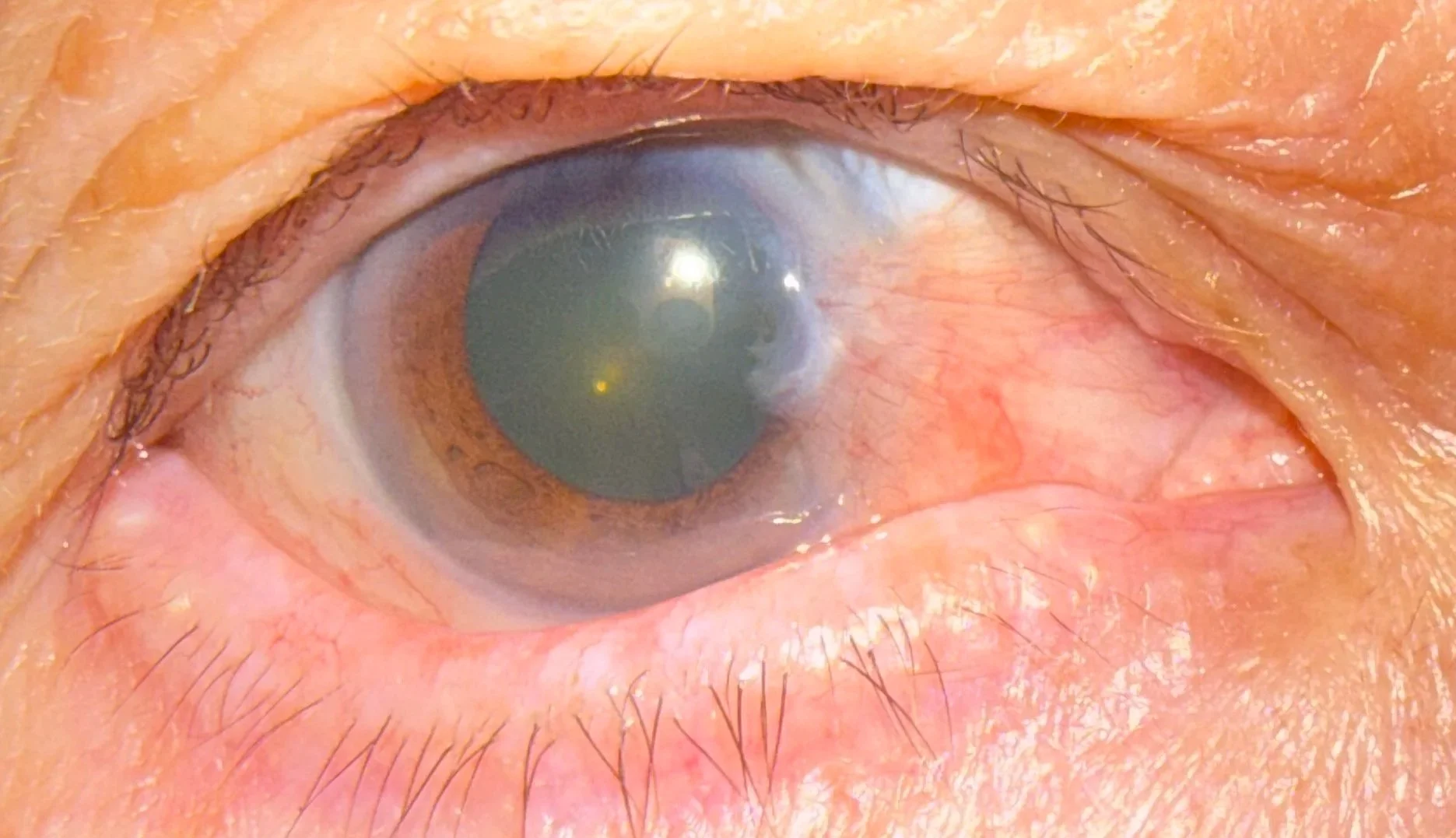
A pterygium (pronounced teh-RIJ-ee-um) is a wedge-shaped growth of abnormal fibrovascular tissue that extends from the conjunctiva — the white of the eye — onto the cornea, the clear front surface of the eye.
Despite sometimes being called a "surfer's eye," pterygiums affect anyone with cumulative exposure to UV radiation, dust, wind, and dry conditions. Queenslanders are among the highest-risk populations in the world, given year-round sun intensity and an outdoor culture.
Pterygiums are benign — they are not cancerous — but they are not harmless. Left untreated, a pterygium can encroach on the visual axis, distort the corneal surface, and cause chronic discomfort. Some also affect vision by inducing irregular astigmatism before they reach the pupil.
Eye drops and lubricants can manage symptoms temporarily, but surgery is the only definitive treatment. The critical question is not whether to have surgery, but who performs it and how.
Everybody is affected by their pterygium in different ways. Some people may have many symptoms, each of which is mildly bothersome, while others have a prominent symptom causing significant distress. Whatever symptoms you are experiencing, pterygium surgery might be able to help improve your quality of life.
Common pterygium symptoms include:
Redness of the conjunctiva which should be white with fine blood vessels only.
Cosmetic distress due to the appearance in photos, the mirror, or public engagements.
Irritation and dryness from the pterygium growth site
Astigmatism where it warps the front surface of the eye
Vision problems can occur when the pterygium scar reaches towards the pupil centre.
You can better assess how much your pterygium symptoms are affecting you with our free symptom assessment quiz.