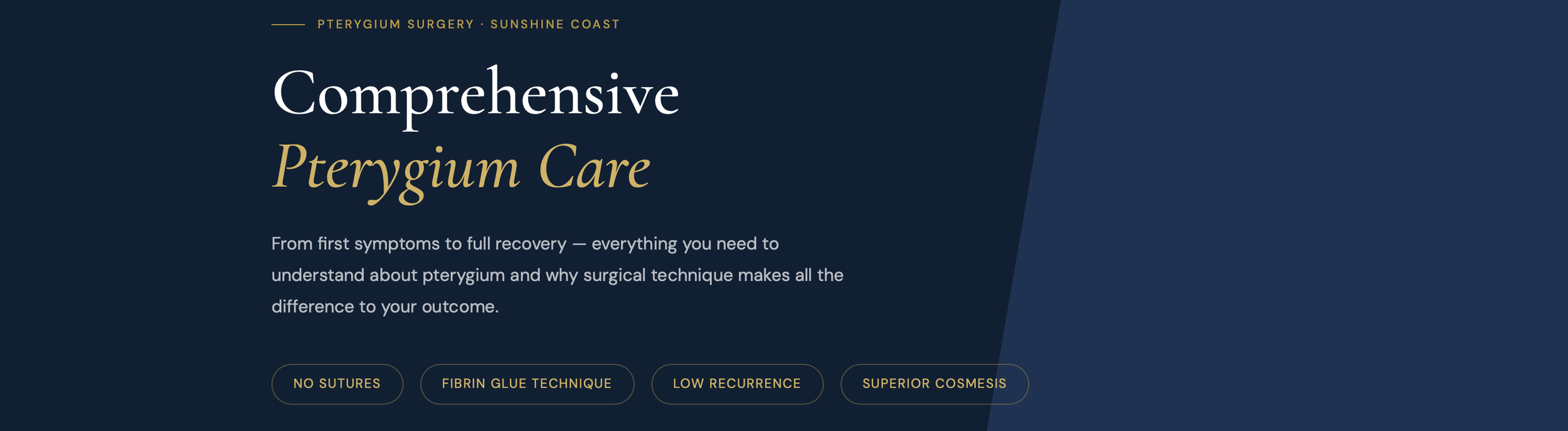
Signature No-Stitch Pterygium Surgery
The Signature No-Stitch Pterygium Surgery performed by Dr. Hayes is a conjunctival autograft procedure — the gold-standard technique for pterygium removal — refined with fibrin tissue glue instead of sutures.
A conjunctival autograft involves removing the pterygium and replacing the affected tissue with a graft taken from the patient's own healthy conjunctiva, typically from beneath the upper eyelid. This graft is secured using fibrin glue — a surgical adhesive derived from blood-clotting proteins — rather than conventional sutures.
The result is a procedure that is faster, produces less postoperative inflammation, heals more naturally, and is significantly more comfortable in the days following surgery. The eye looks clearer sooner. Patients return to normal activities more quickly.
Dr. Hayes performs this procedure under local anaesthetic with twilight intravenous sedation in a day surgery setting. The surgery typically takes 30 minutes and patients go home the same day.
WHY IS SURGERY NECESSARY?
-
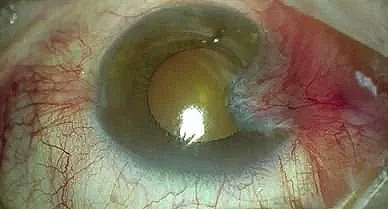
![A significant pterygium causing redness of the eye before signature no-stitch pterygium surgery]()
Redness
The redness of a pterygium may be constant, or may occur frequently when irritated. Regardless, this can be a major distress improved with surgery for patients wanting a more natural looking eye.
-
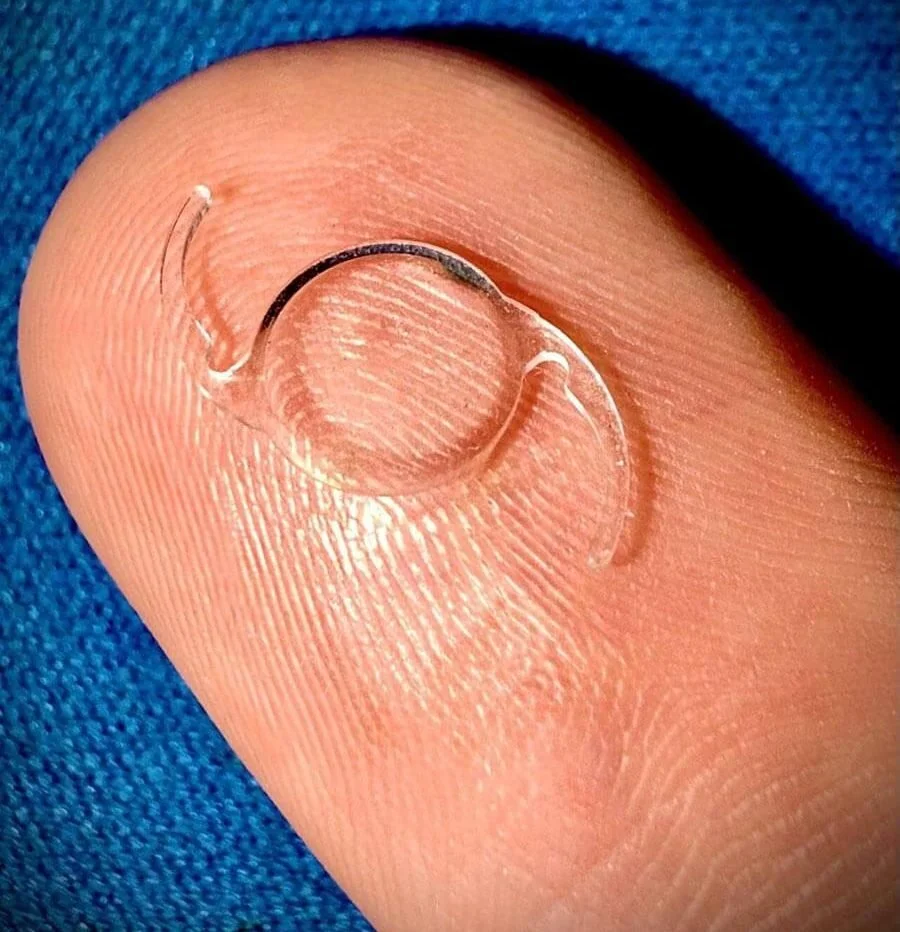
![Close-up of a finger with a small intraocular lens (IOL) that would be implanted during cataract surgery]()
Lens / Cataract Surgery
When planning lens or cataract surgery, calculation of the lens (IOL) to be implanted in the eye can be affected by a pterygium. Often it will be necessary to remove the pterygium before planning lens surgery to achieve the best possible outcome.
-
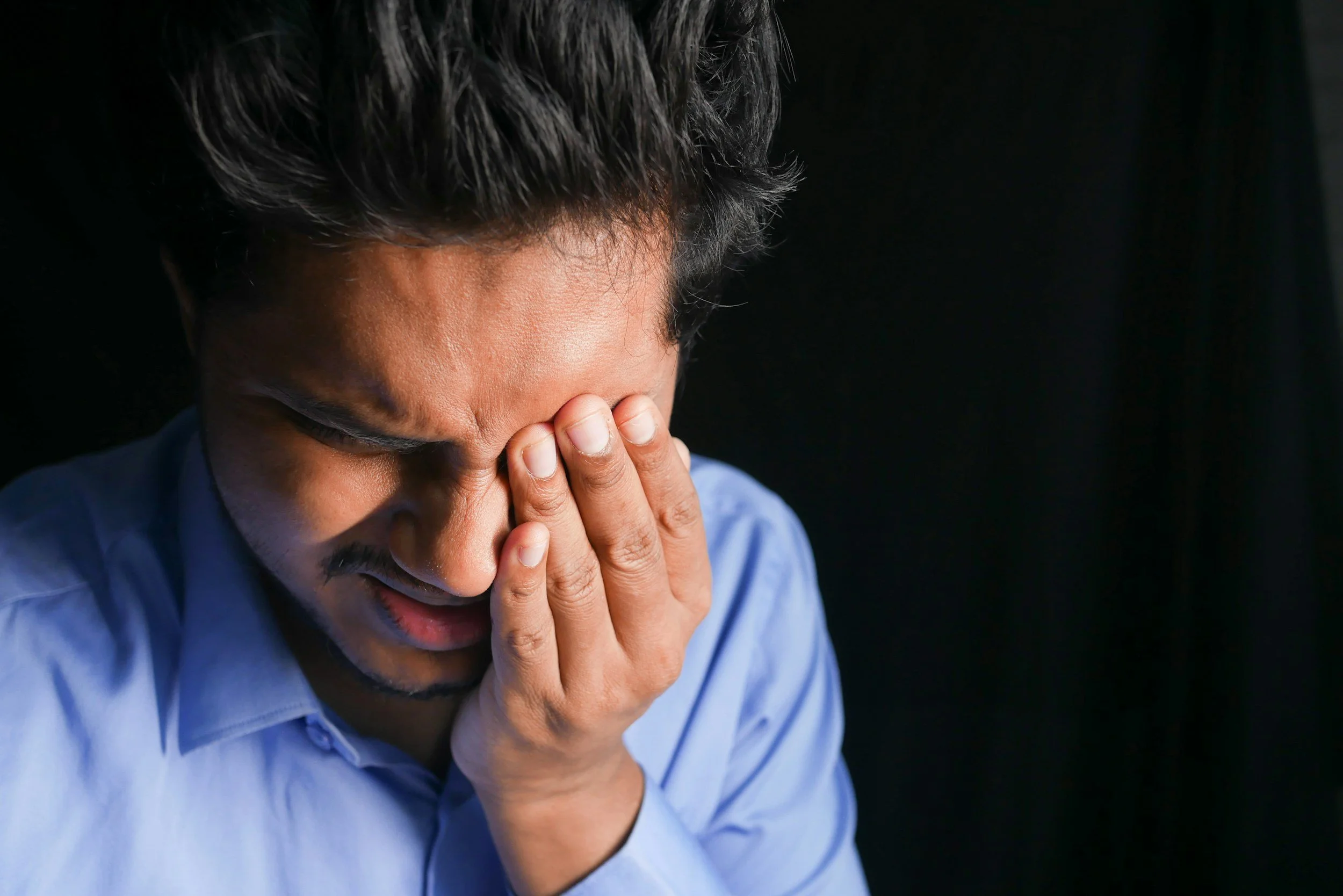
![A man with dark hair, wearing a blue shirt, has his face covered with his hands, appearing distressed from the pain of an inflamed pterygium]()
Pain
A pterygium which regularly causes pain, irritation, discomfort, dryness, or a burning sensation - particularly when exposed to dust or swimming - can majorly affect your quality of life. Removal can often significantly improve these symptoms.
-
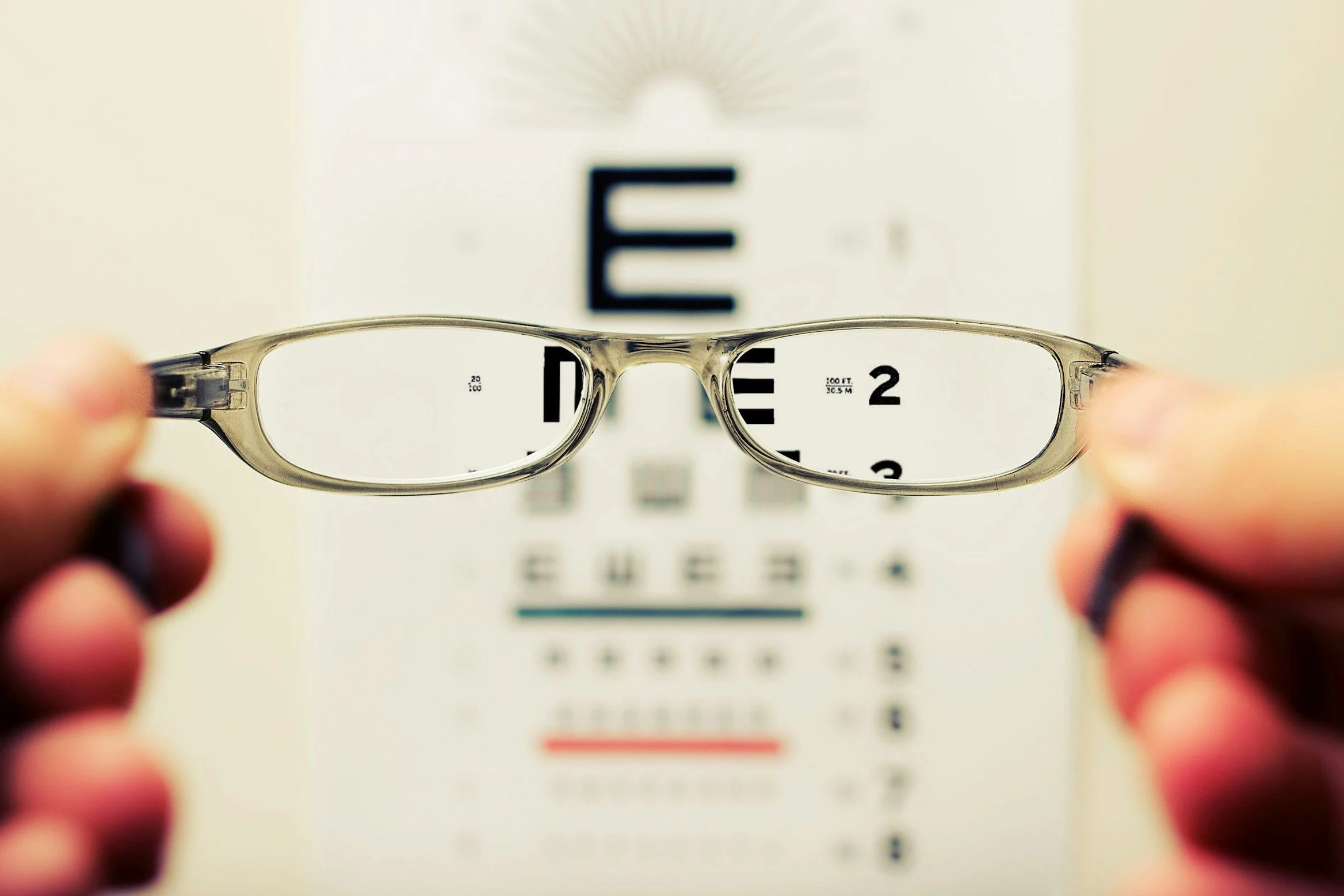
![A pair of eyeglasses held in front of an eye chart used for vision testing. Focus is missing without the glasses due to astigmatism from a pterygium]()
Vision
If a pterygium grows large enough it can directly block vision. This usually occurs when it reaches the pupil. Although surgery will help at this point, it can still leave behind some scar tissue so it is best to remove before it gets so big.
-
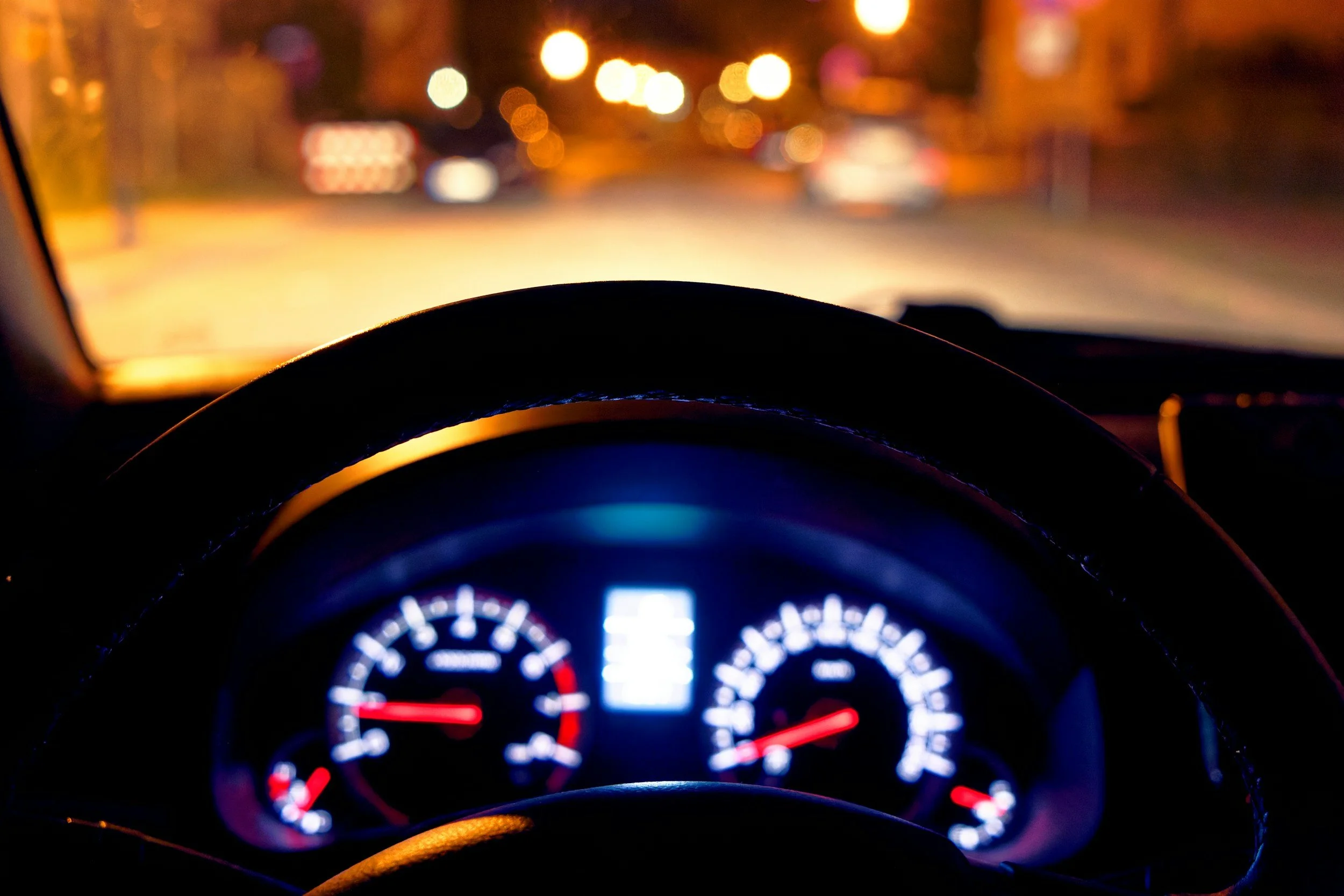
![A view from inside a car at night showing the illuminated dashboard with speedometer and fuel gauge, and blurred city lights visible through the windshield, an effect from astigmatism induced by a pterygium]()
Astigmatism
When a pterygium grow it can warp the clear surface of the eye (the cornea). This warpage can induce astigmatism which can affect vision quality, introduce blur, and cause lights to spread or stretch out.
-
![Close-up of a young woman's face reflected in a small round mirror, with her eyes glowing with confidence after pterygium surgery]()
How you feel
If you’re not happy with how you feel in the mirror because of your pterygium, nothing else really matters. Restoring your natural appearing eye can help return the confidence you deserve.
-
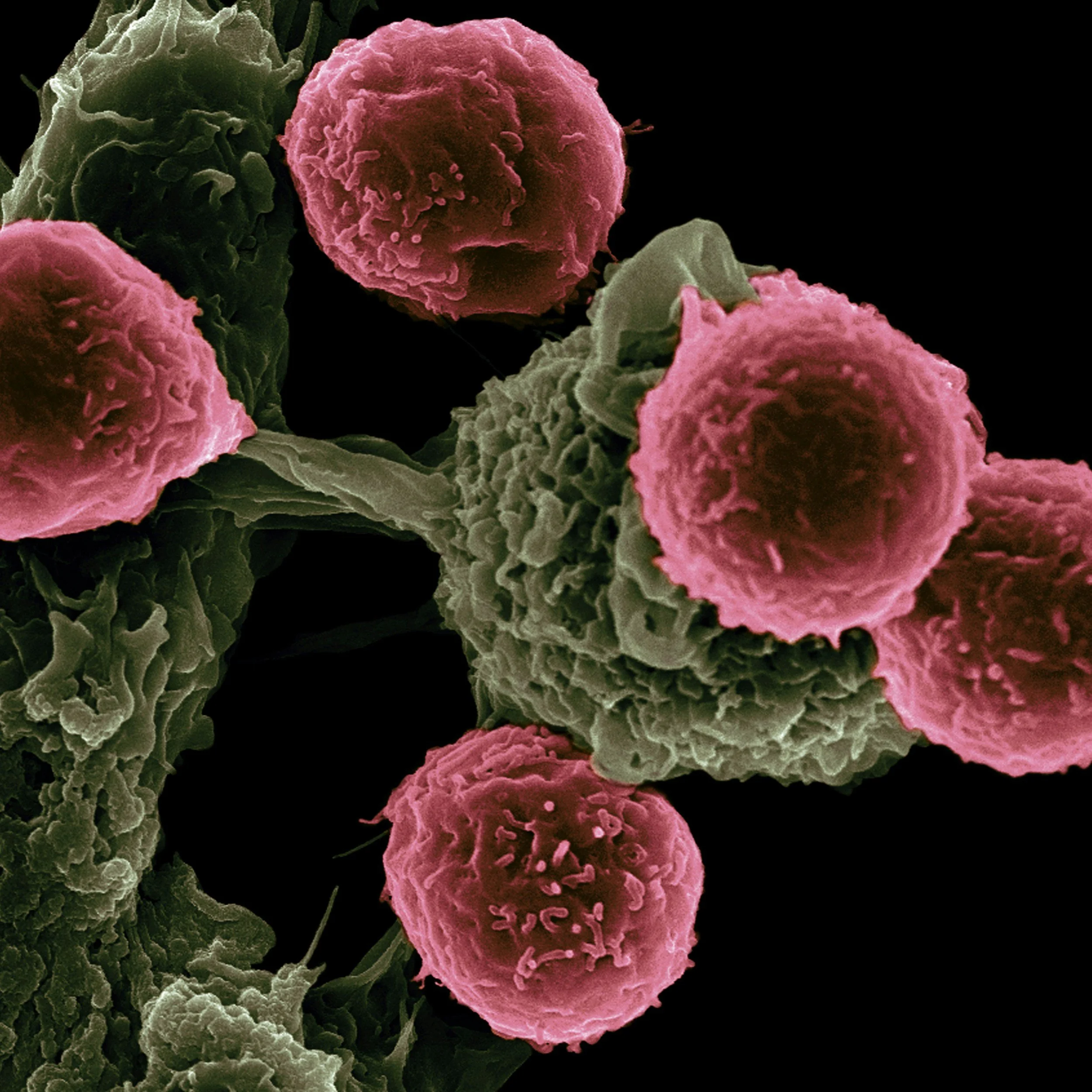
![Colorized microscopic image of pink and green human cells representing malignant cells.]()
Cancer
A pterygium itself is not cancerous. However, occasionally it can conceal or mimic a cancer growing on the surface of the eye. Ocular surface squamous neoplasia (OSSN) can sometimes be indistinguishable from a pterygium and removal is the only way to know for sure, and to start treating it before it causes a problem.
What recovery looks like
Most patients are pleasantly surprised by how manageable recovery is following no-stitch pterygium surgery. The absence of sutures removes one of the most common sources of postoperative discomfort and allows the eye to settle more quickly.
Key restrictions in the first two weeks include avoiding swimming, dirt/dust exposure, and rubbing the eye. You will need to use prescribed antibiotic and anti-inflammatory drops for around a month following surgery.
RECOVERY TIMELINE
DAY 1–3
Initial healing
The eye is red and may feel gritty or irritated. Eye shield worn overnight. Drops commenced. Vision may be mildly blurred. Rest recommended.
DAY 4-7
Settling
Redness begins to reduce. Discomfort diminishes. Most patients return to sedentary work and light activities within the first week. One-week review with Dr. Hayes.
WEEK 2–4
Visible improvement
Vision improves. The white of the eye gradually clears, though some mild residual redness may persist into the second month. The graft integrates with surrounding tissue. Drops continue.
BEYOND MONTH 3
The Future
You can confidently enjoy you rejuvenated eye! If the pterygium surgery was performed as part of optimisation before cataract or lens surgery, that can now be performed to finish improving vision. Routine eye health checks with your local optometrist are still important to ensure your eyes don’t develop any other issues in the future.
MONTH 1-3
Full Recovery
The eye reaches its final cosmetic result. Residual mild redness — if any — resolves. Visual acuity stabilises. Final check at 3 months confirms it is well healed and repeat imaging can identify the improvement in astigmatism and appearance.